What Dear Black Dad taught me about silence
The most powerful moment in Dear Black Dad isn't a line of dialogue. It's a pause seven seconds of a man sitting with something he's never been asked to feel on camera before.
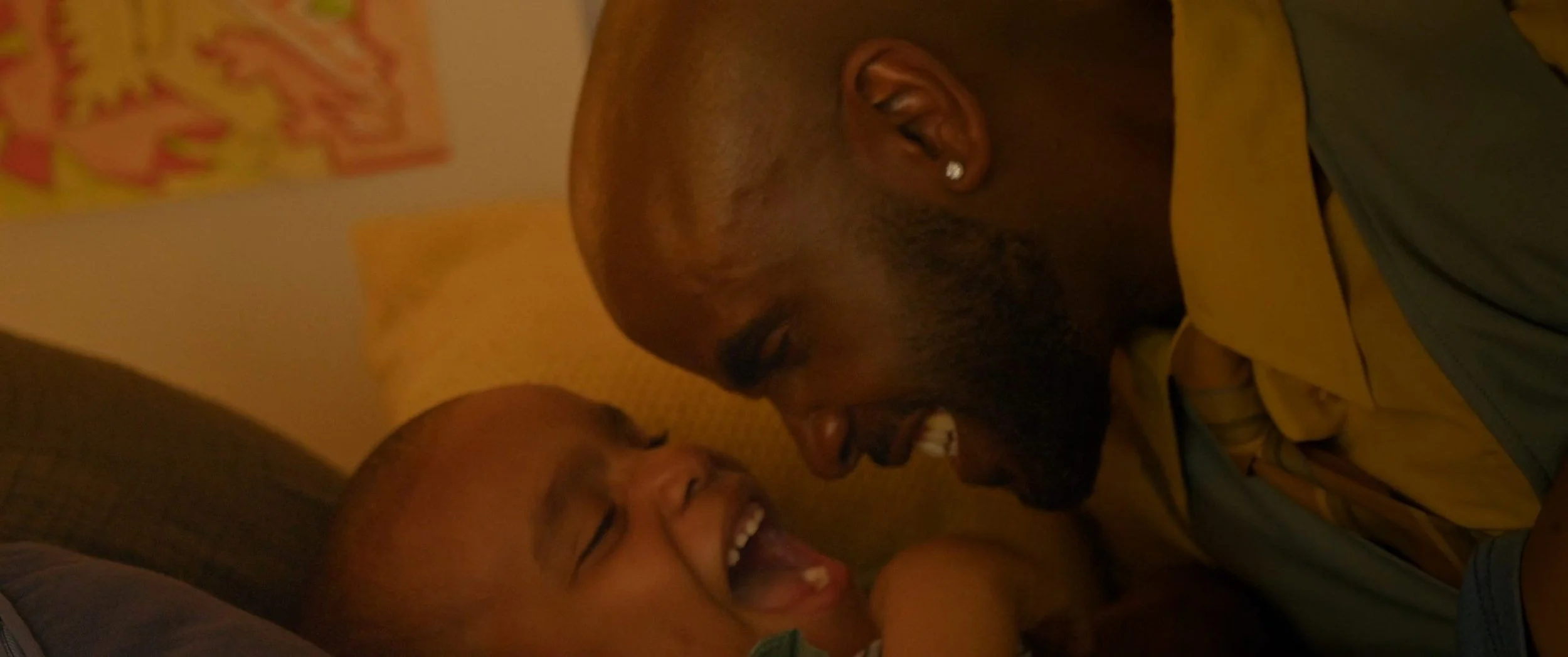
Troy Crossfield with son in film Dear Black Dad, Directed By Tristan
When we started production I had a clear idea of what the film was going to be. Three fathers. Three stories. A straightforward structure built around interviews, b-roll, and music that would carry the emotional weight when words ran out.
What I didn't plan for was Marcus.
Marcus was the third subject we filmed a father of two in Scarborough who showed up to set composed, articulate, and ready. About forty minutes into the interview I asked him a question I almost didn't include in the shot list: "What do you wish your own father had said to you?"
He started to answer. Got about six words in. And then stopped.
He didn't cry. He didn't look away. He just sat there completely present and completely unable to continue for seven seconds that felt like seven minutes on set.
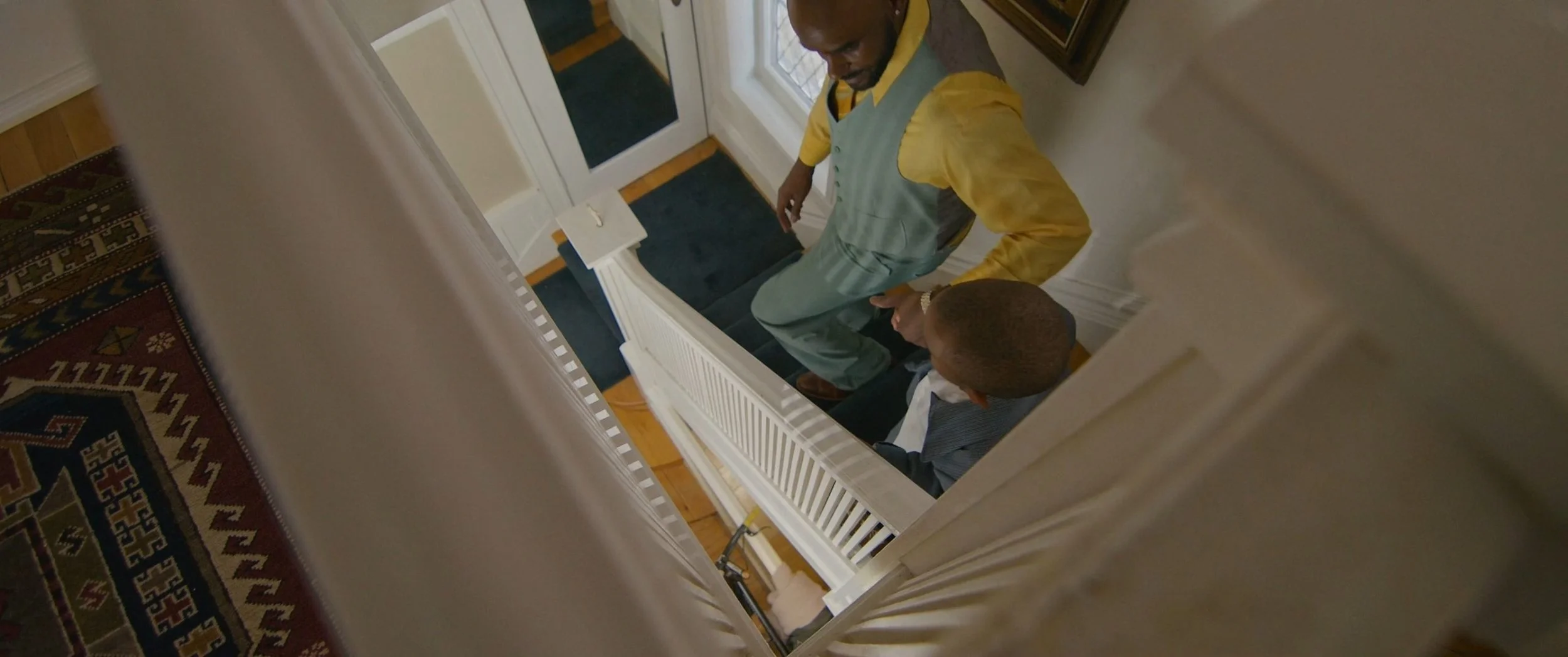
Troy Crossfield with son in film Dear Black Dad walking down stairs of home, Directed By Tristan
What the edit taught me
My first instinct was to cut around it. Find a reaction shot. Bring the music in early. Give the audience somewhere to go. That's what you're trained to do keep the film moving, don't let the pace drop.
My editor pushed back. She said: "If you cut this you're doing exactly what everyone's always done to these men. You're not letting them take up space."
She was right. We kept it. All seven seconds. And it became the moment audiences talk about most when they describe the film.
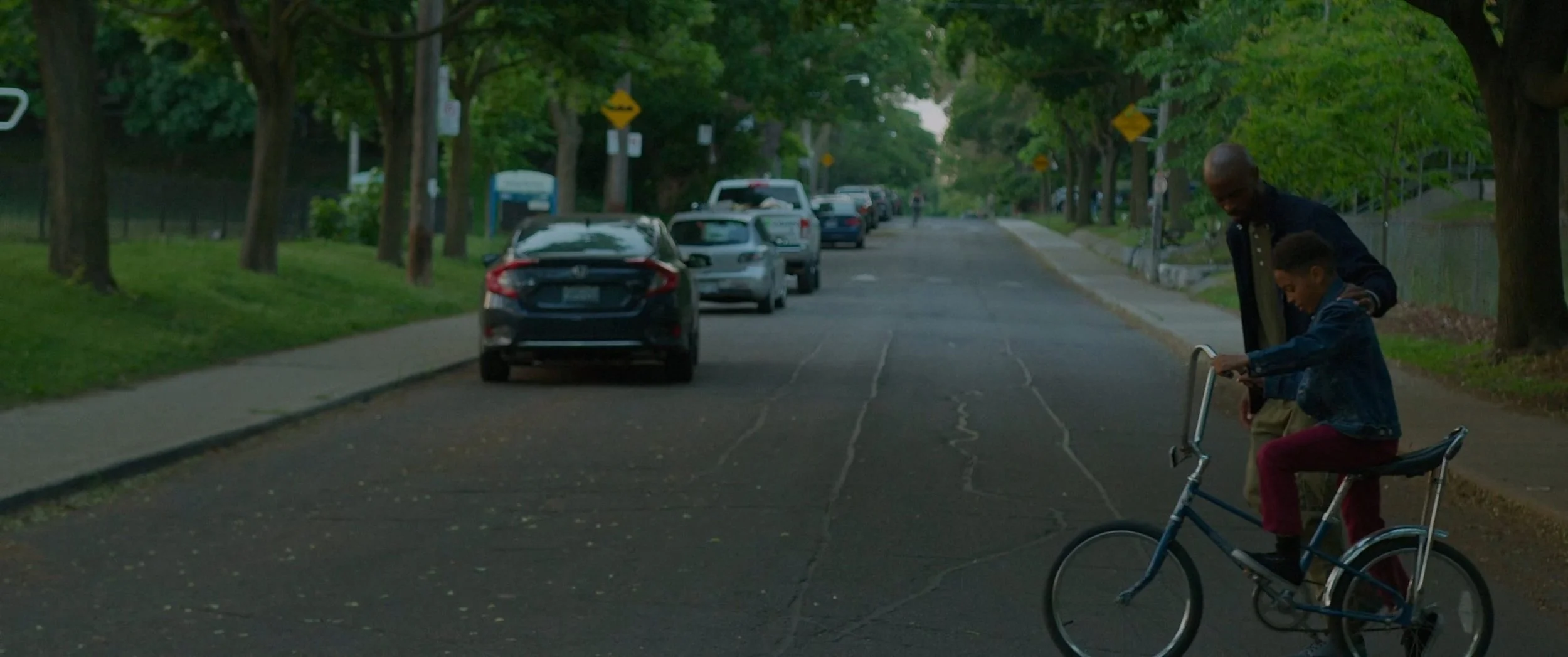
Father and son learning how to ride a bike together in short film "Dear Black Dad," directed and written by Tristan Barrocks.
The lesson I keep coming back to
Silence on screen is only uncomfortable if you've taught your audience to expect noise. The whole film up to that point had been building a language of stillness slow camera moves, long takes, space between questions. By the time we got to Marcus's pause the audience was ready to sit in it with him.
That's a structural decision as much as an editorial one. You earn your silences in the first act. You spend them in the third.
As a director the instinct to fill space is strong. Especially in documentary work where the pressure to keep things moving is constant. But some of the most honest moments I have captured on camera happened in the spaces between words when a subject ran out of language and had to find another way to tell the truth.
That's the work. Not the words. The space around them.